Teddy Bear Sheep
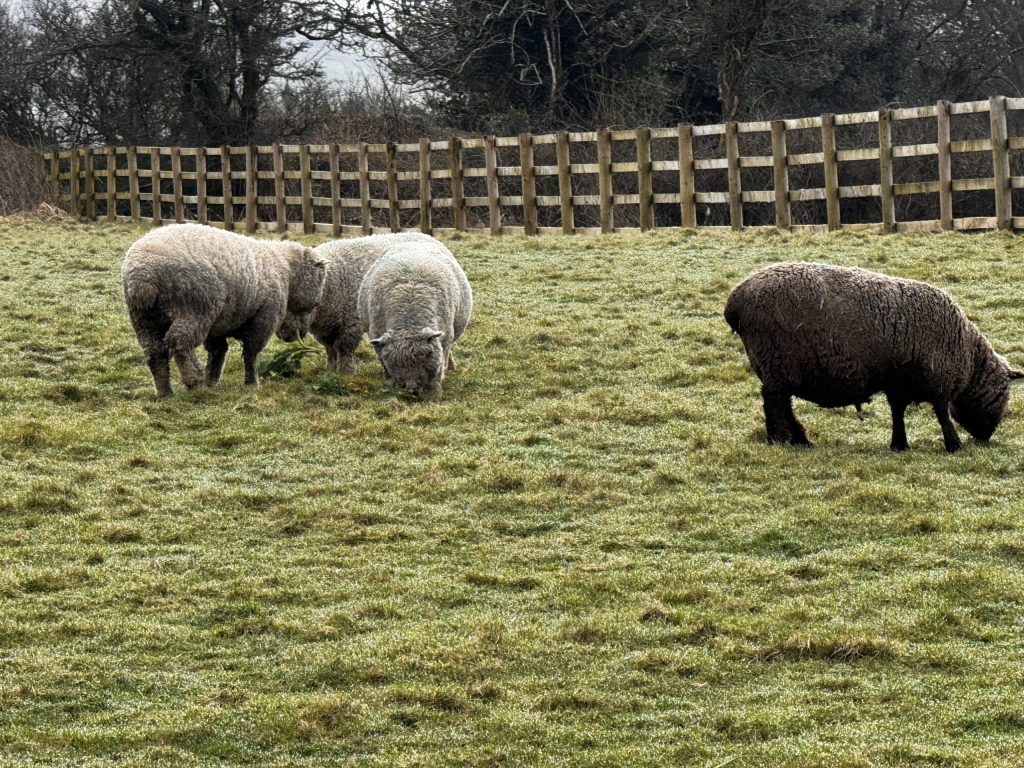
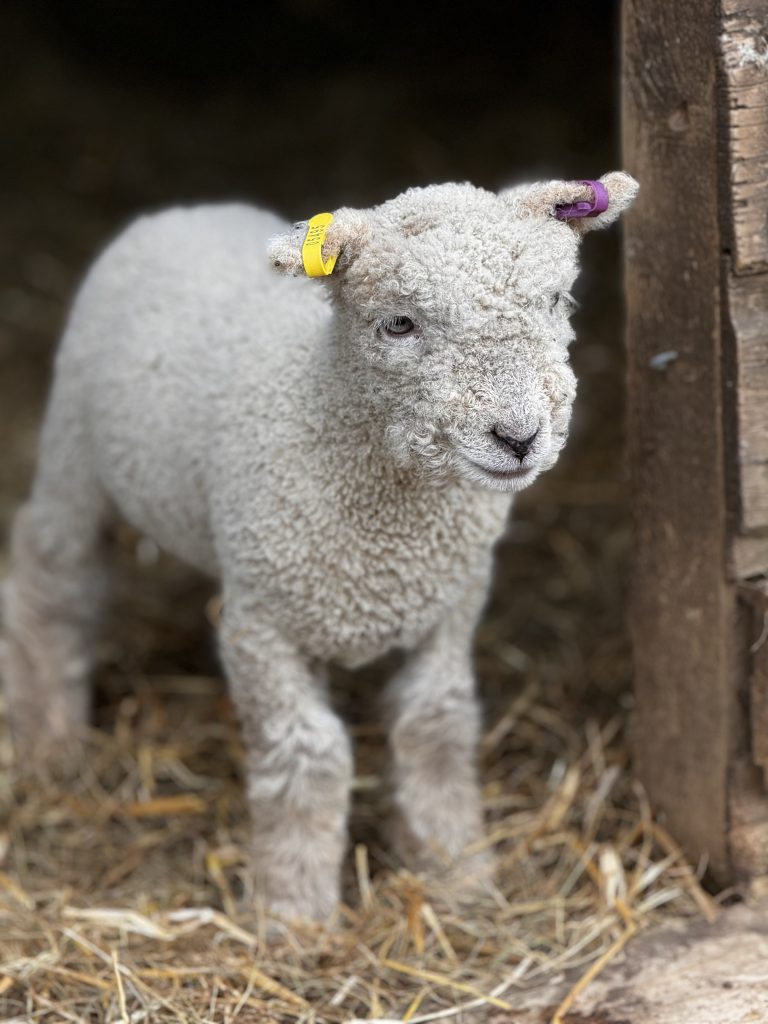
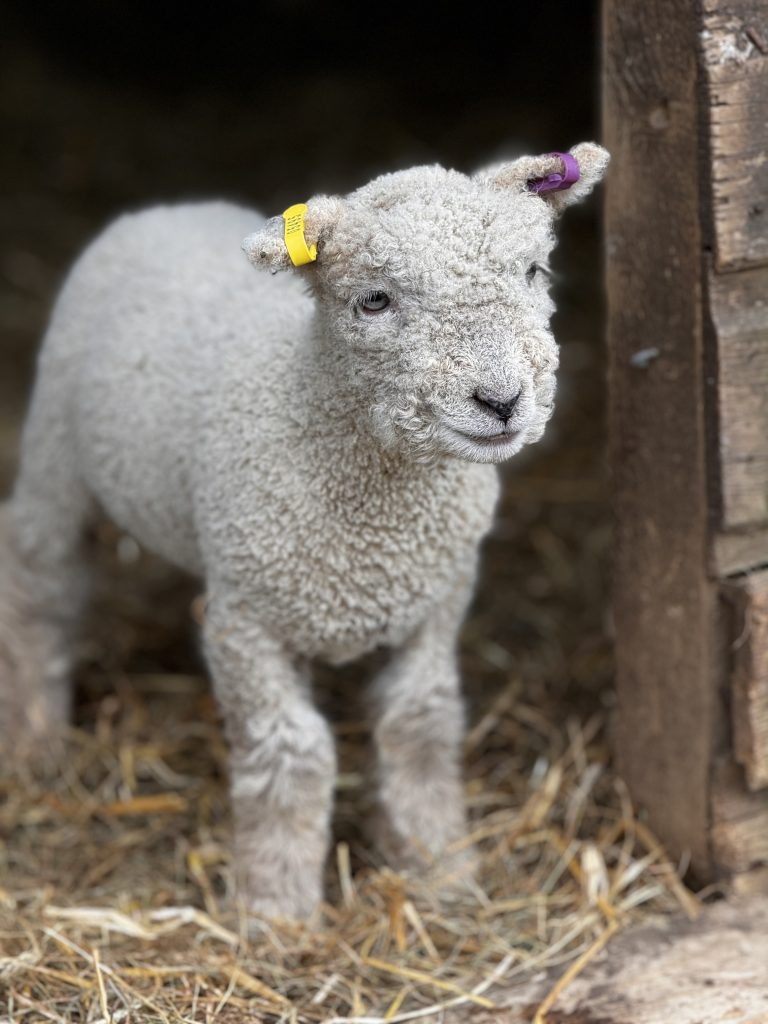
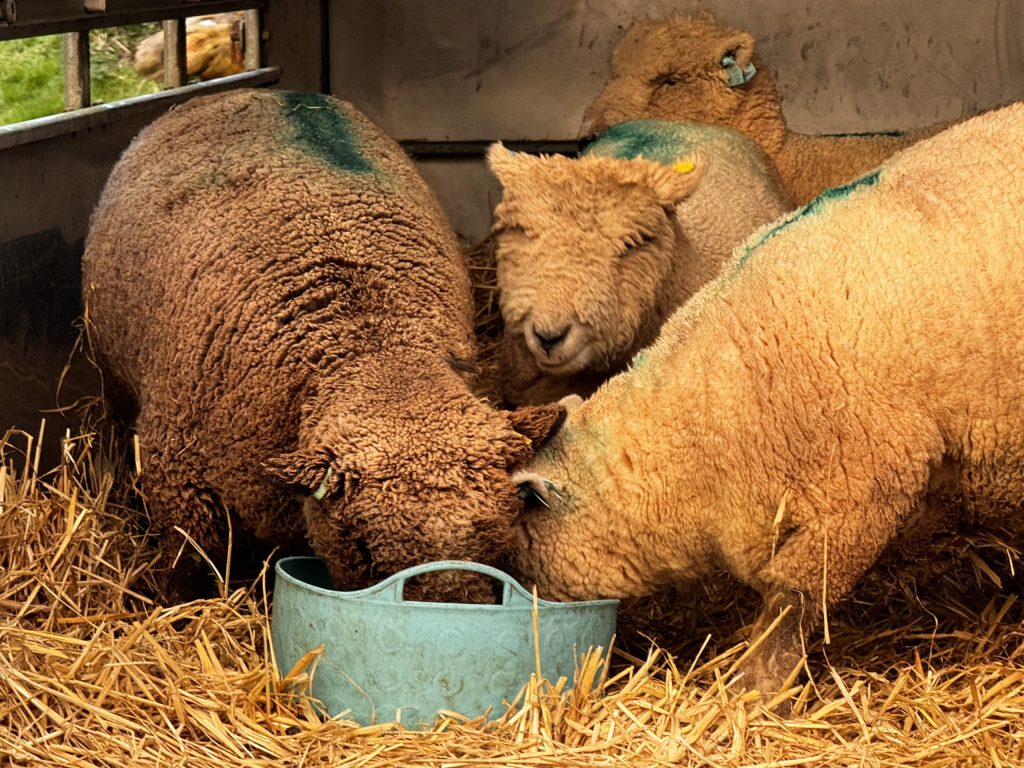
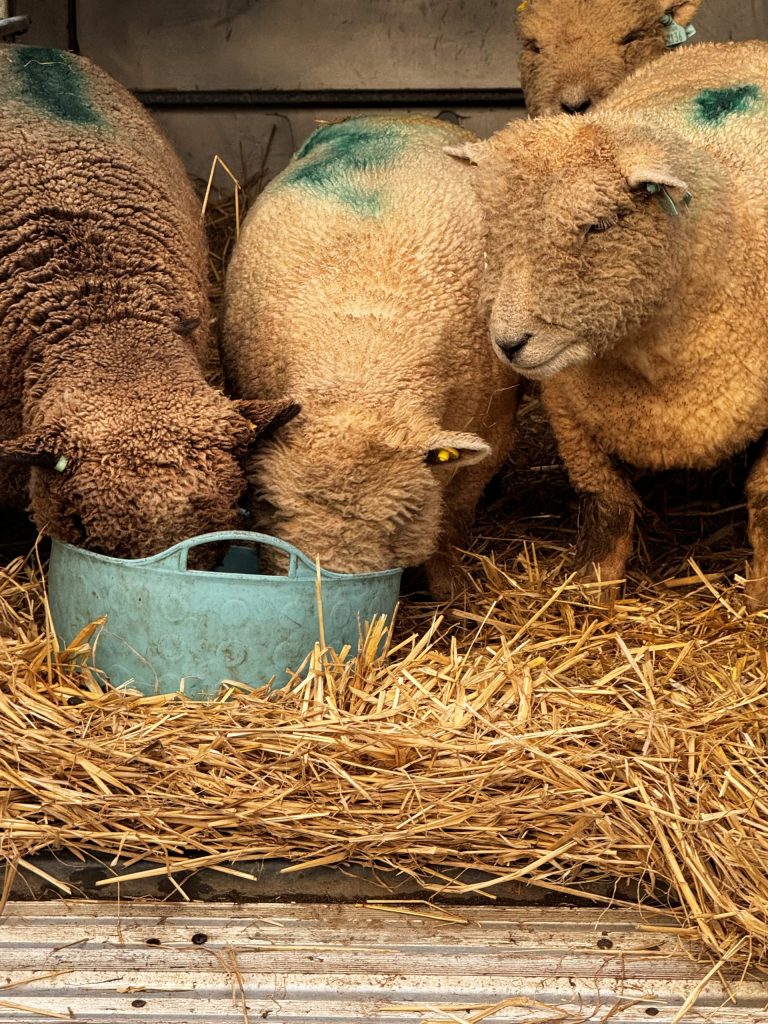
Babydoll Southdowns — the original miniature Southdown, and the woolliest smile in the field.
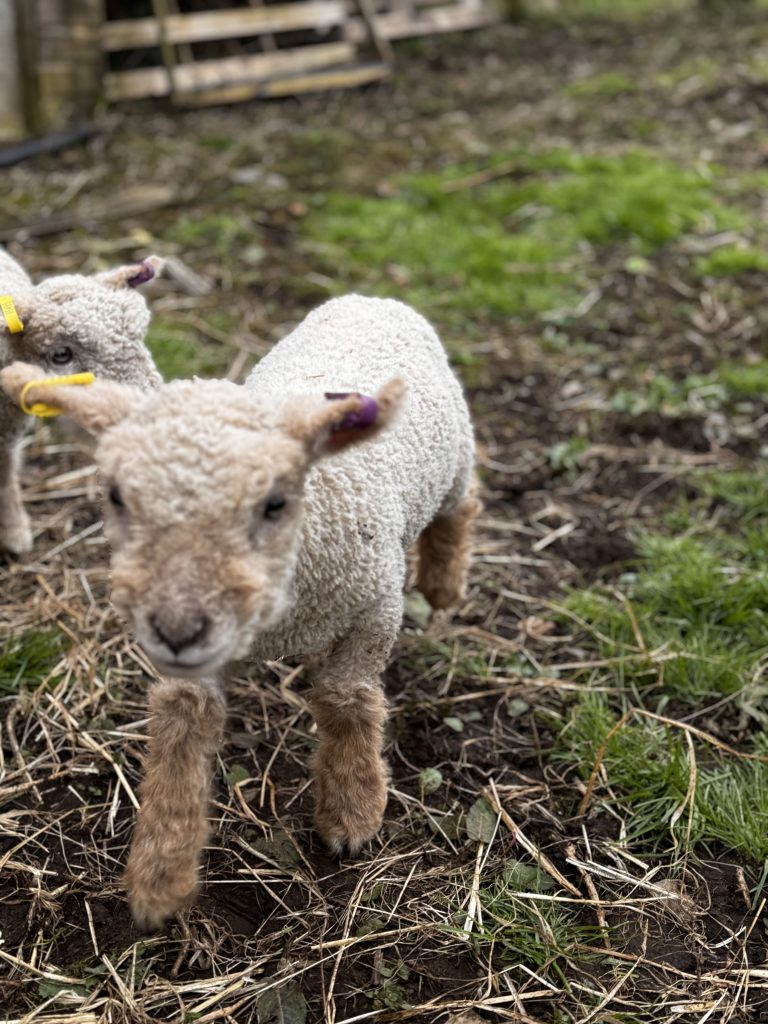
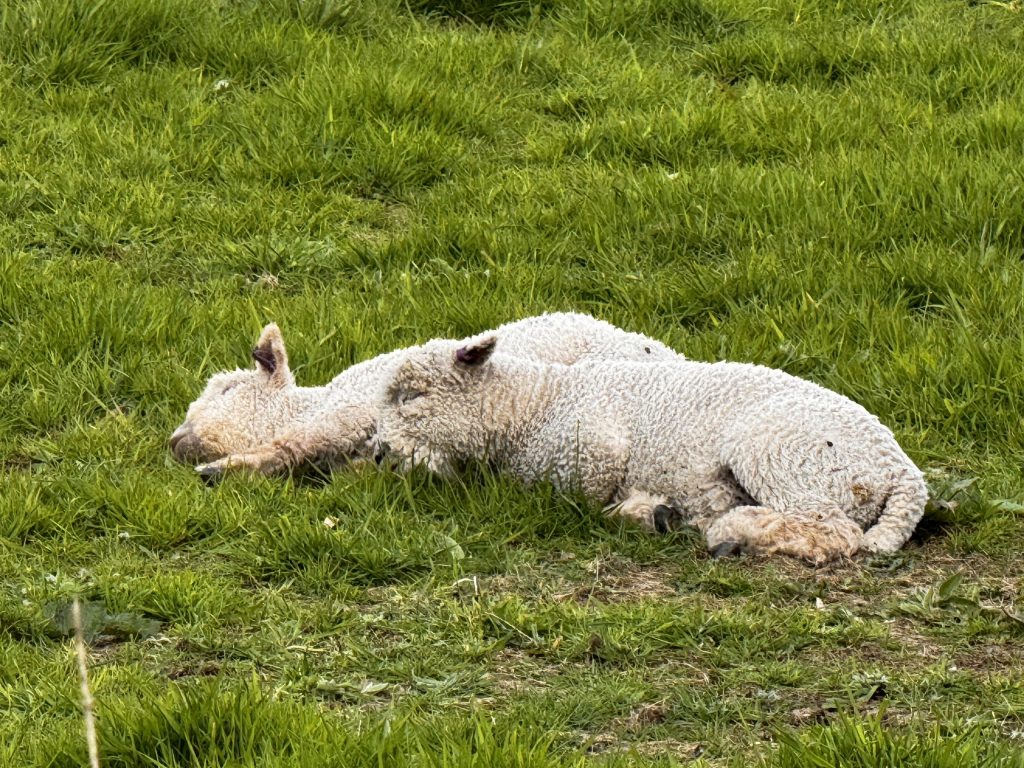
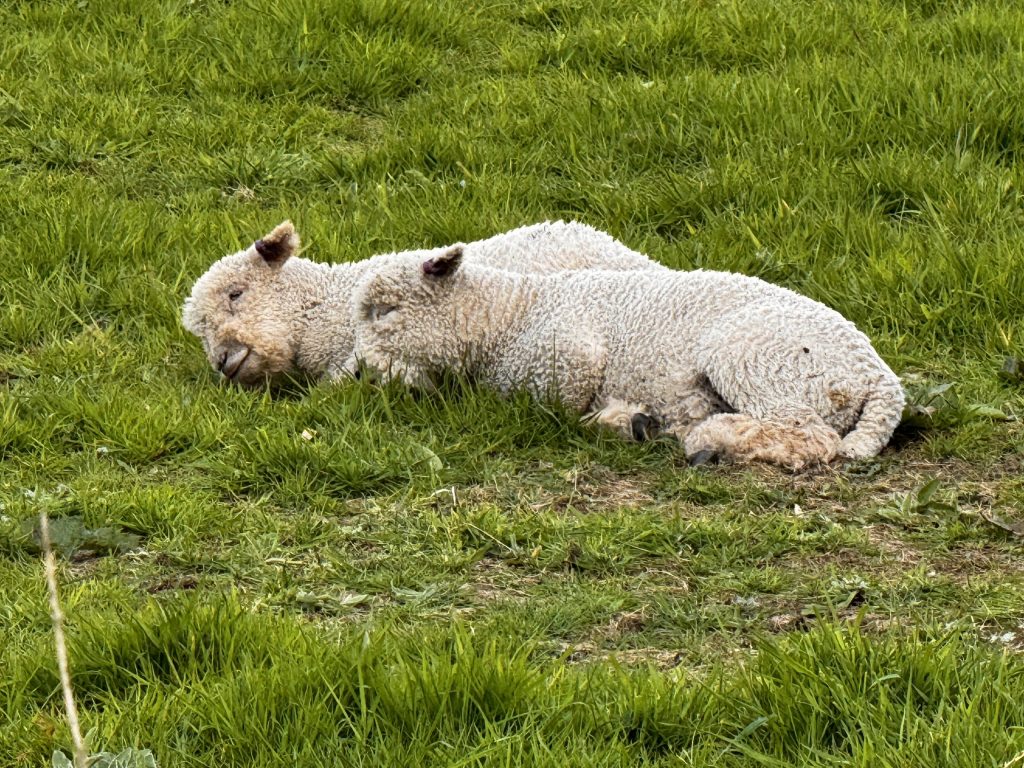
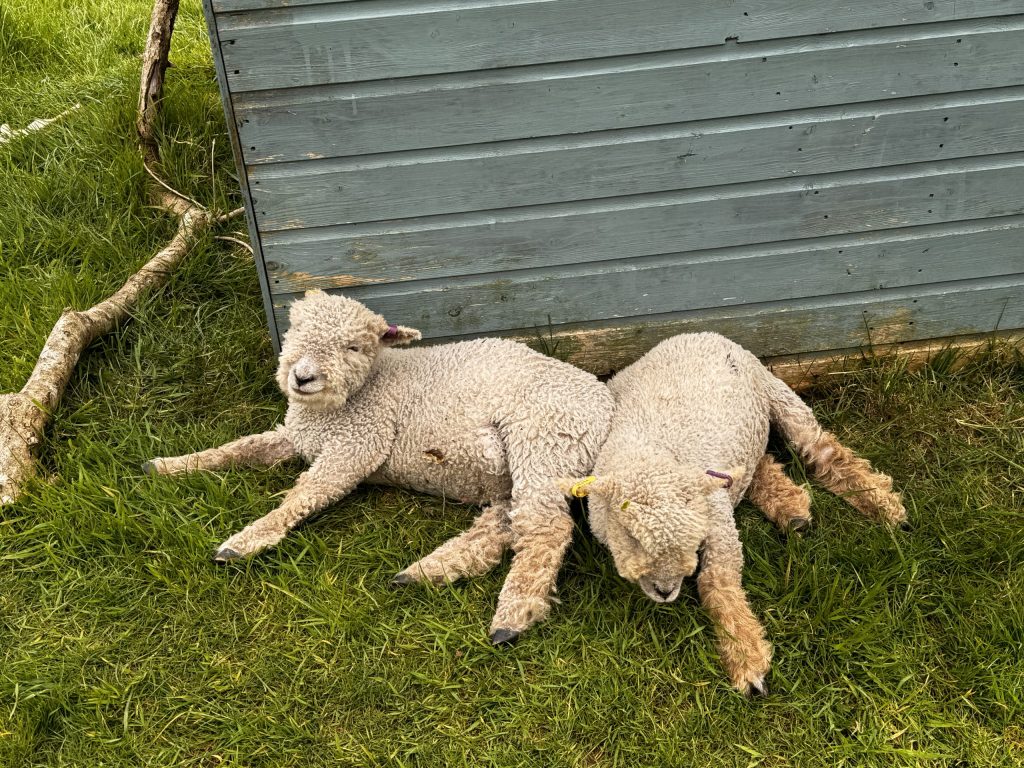
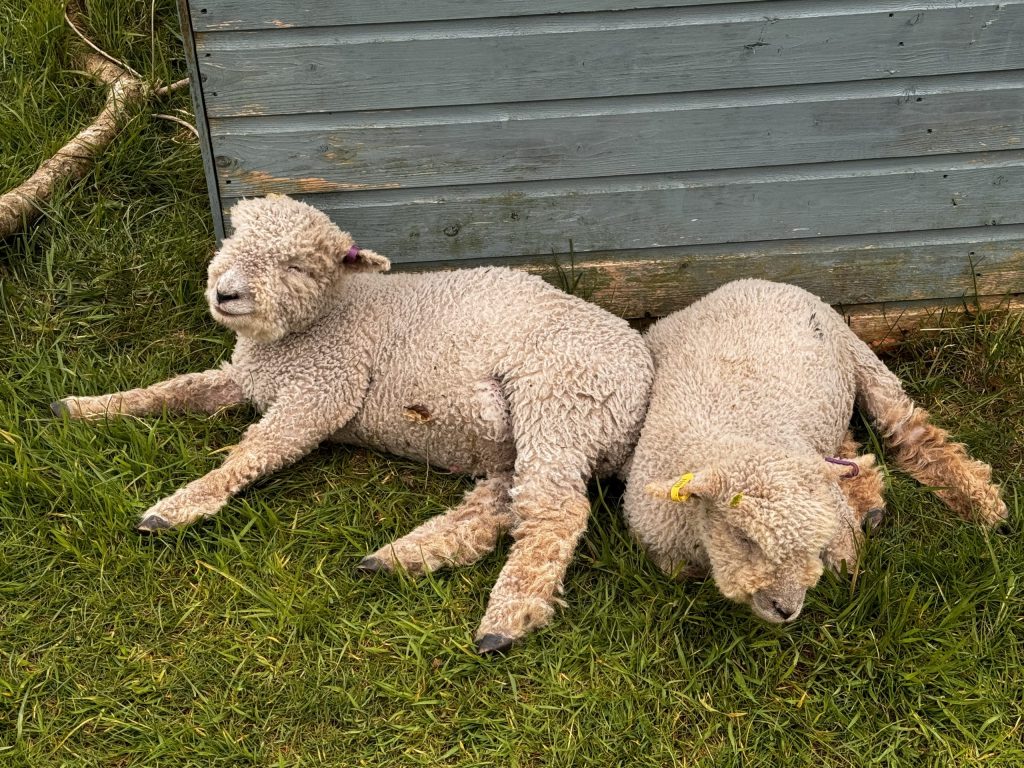
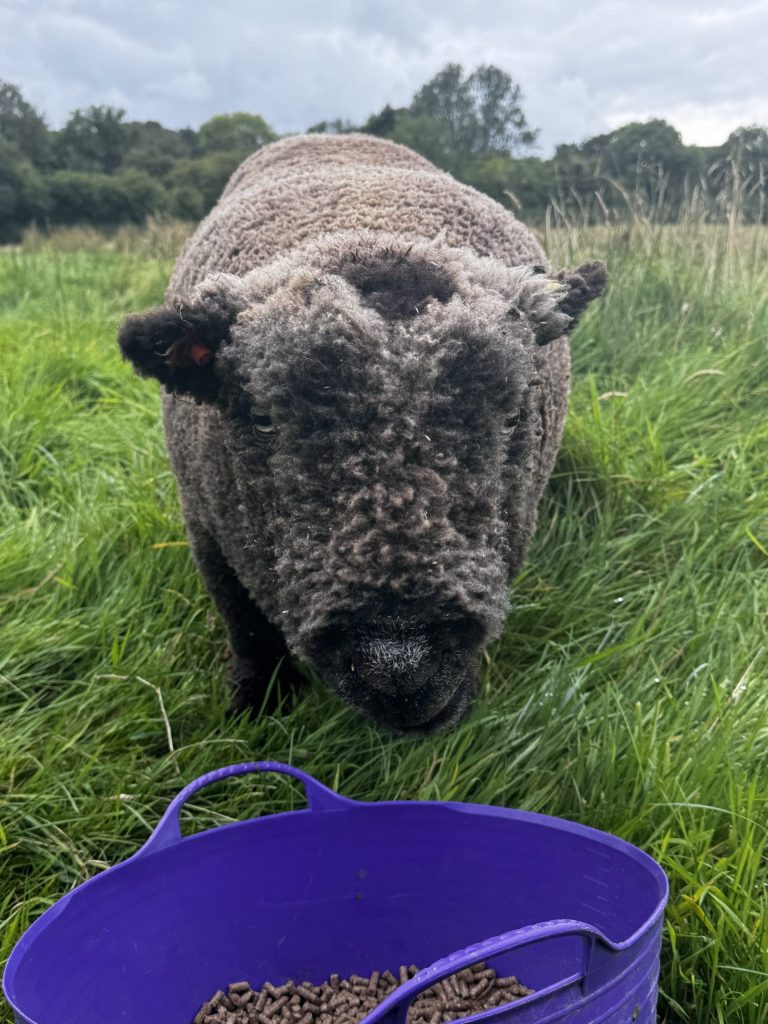
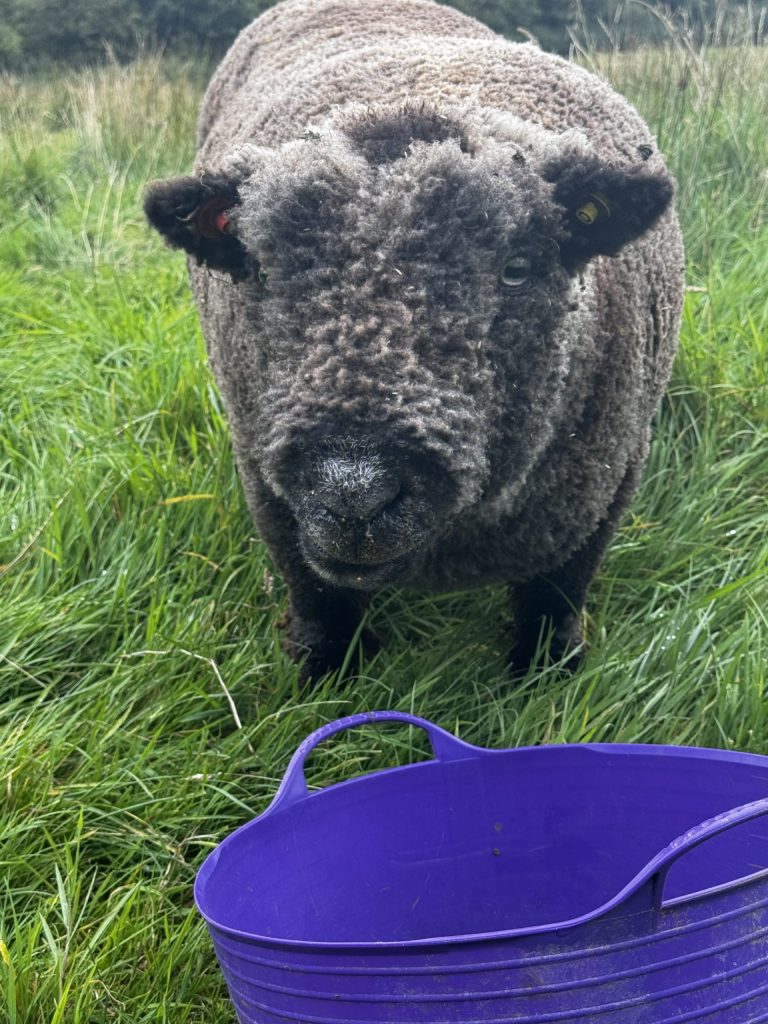
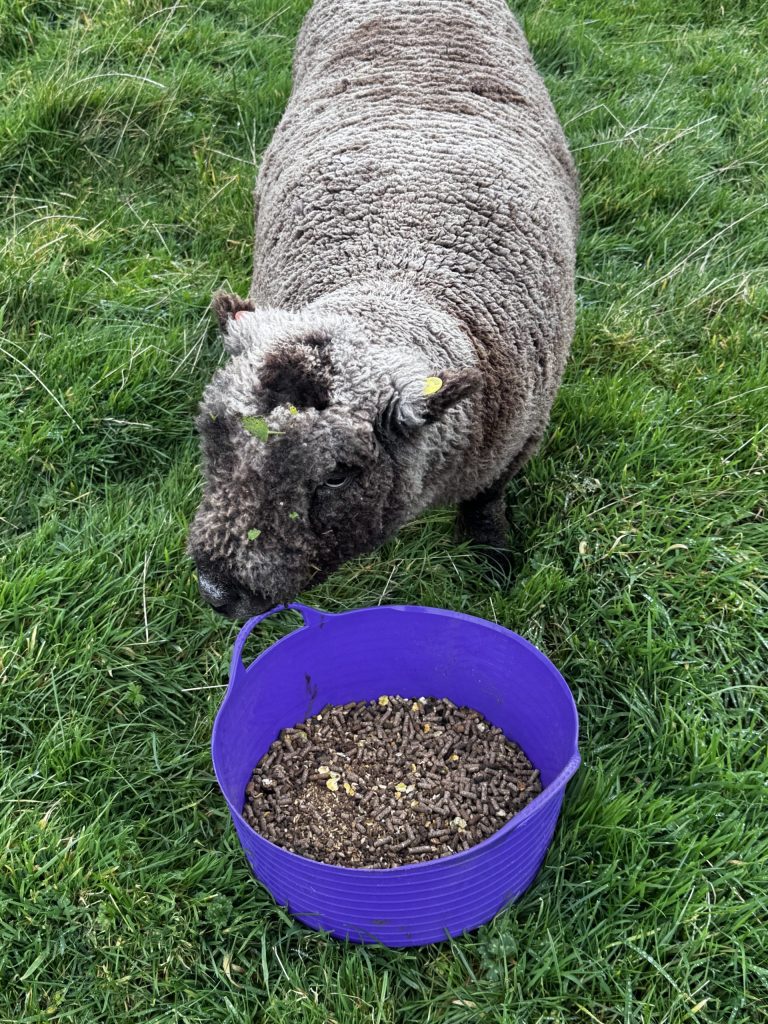
Small, round and unmistakably cheerful, Babydoll Southdowns are sheep that stop people in their tracks. The woolly face, the short upturned muzzle and the dark button nose combine into what looks for all the world like a permanent grin — which is how they came by the nickname teddy bear sheep.
What is a Babydoll Southdown?
The Southdown is one of the oldest of the British down breeds, developed on the chalk grassland of the South Downs in Sussex and refined into a recognisable type by John Ellman of Glynde around the turn of the nineteenth century. It was prized for thriving on thin downland pasture, and for a fleece that was fine, dense and springy.
Through the twentieth century, commercial demand pushed the Southdown steadily taller and heavier, until the modern show and commercial sheep stood well above its ancestors. The small original type survived in pockets, and it is those sheep — the Southdown very much as it was before it was bred up — that are known today as Babydolls, or Olde English Babydoll Southdowns. Miniature is the word usually attached to them, though in truth nothing was ever miniaturised. They simply stayed as they were.
The short version
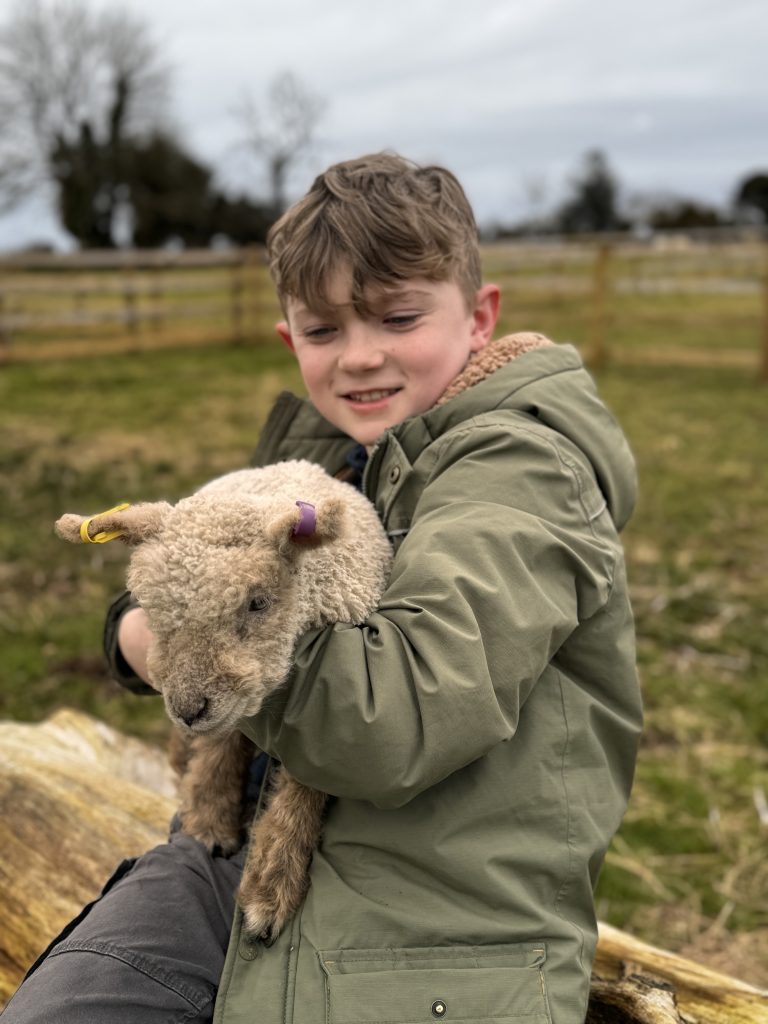
- Height — roughly 18 to 24 inches (45 to 60 cm) at the shoulder when fully grown.
- Face — woolly right down to the muzzle, with a short nose and an upward curve to the mouth that reads as a smile.
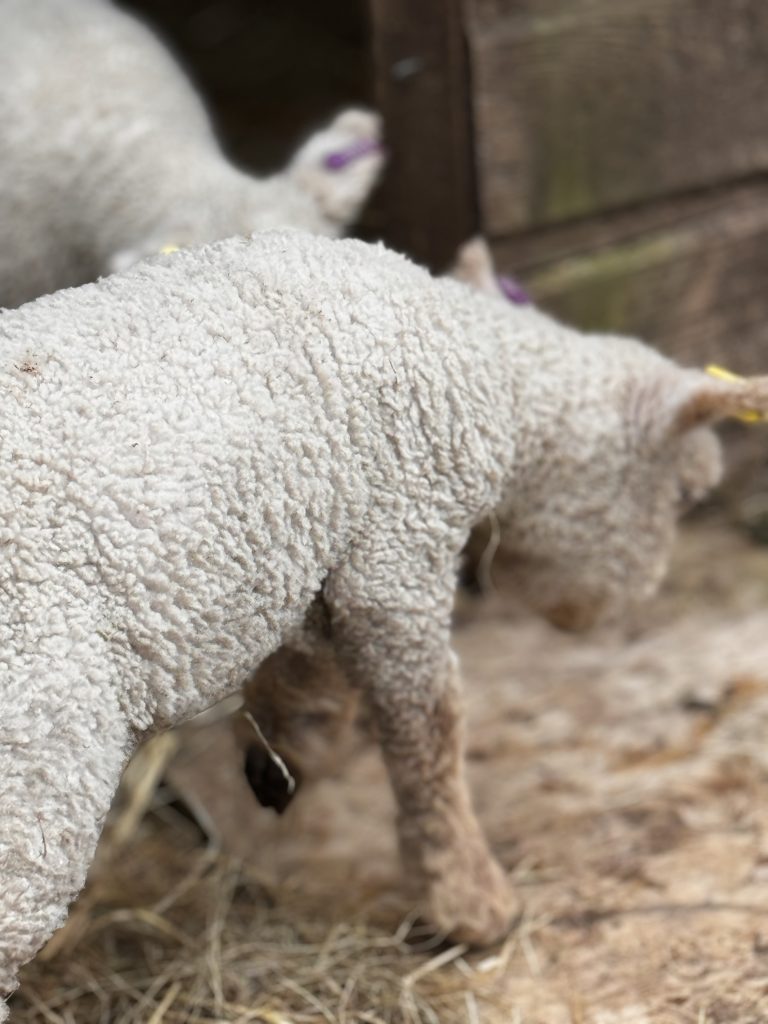
- Fleece — fine, dense and elastic, well liked by hand spinners and popular for blending.
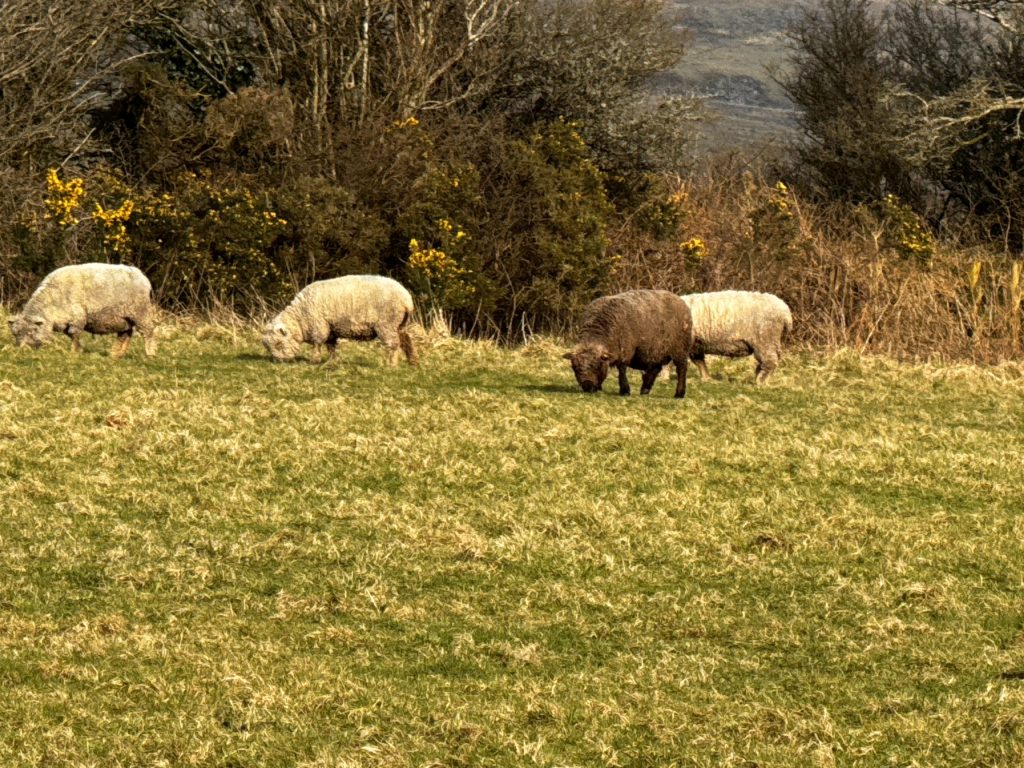
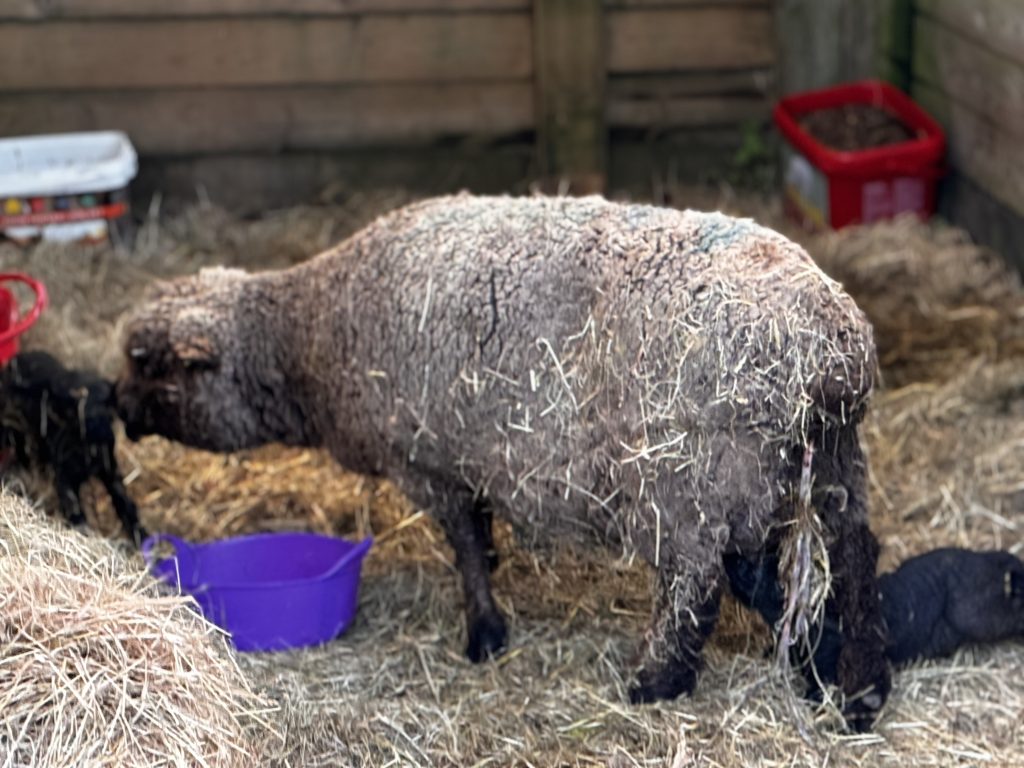
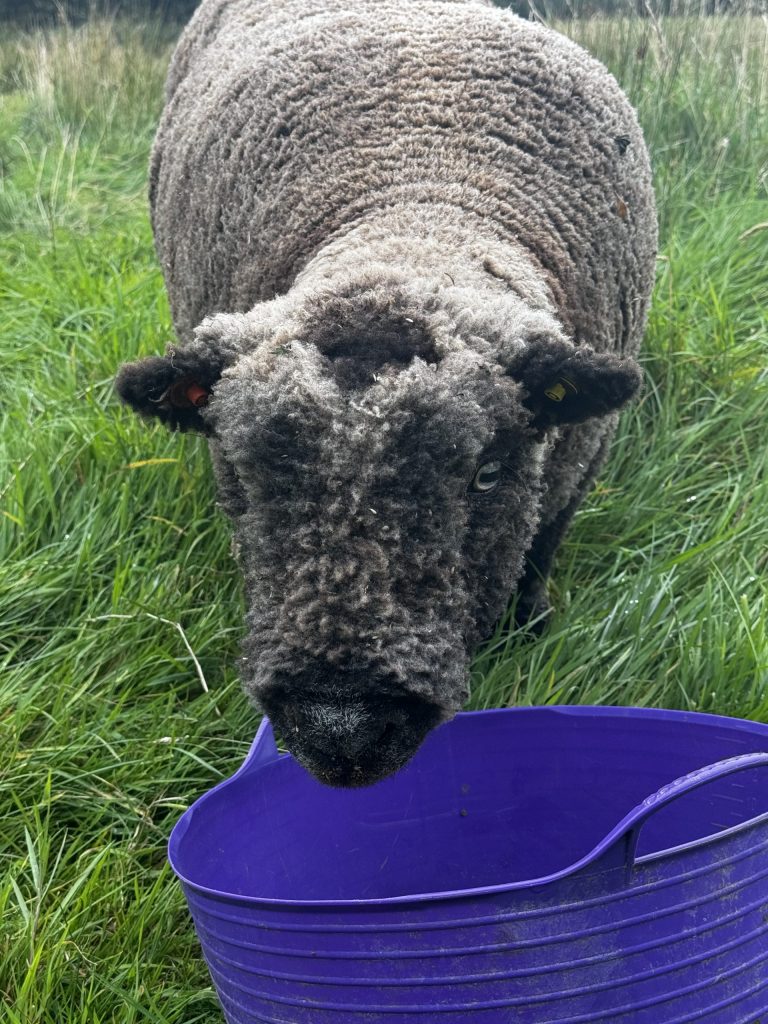
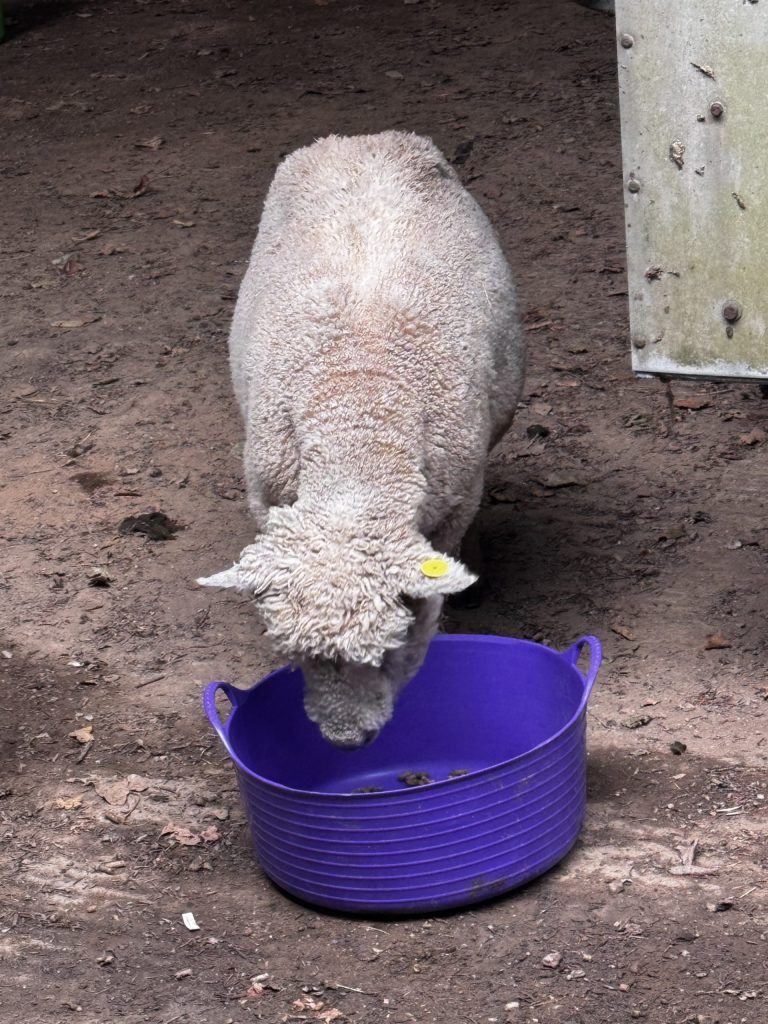
- Colour — usually off-white, with a black variety also found.
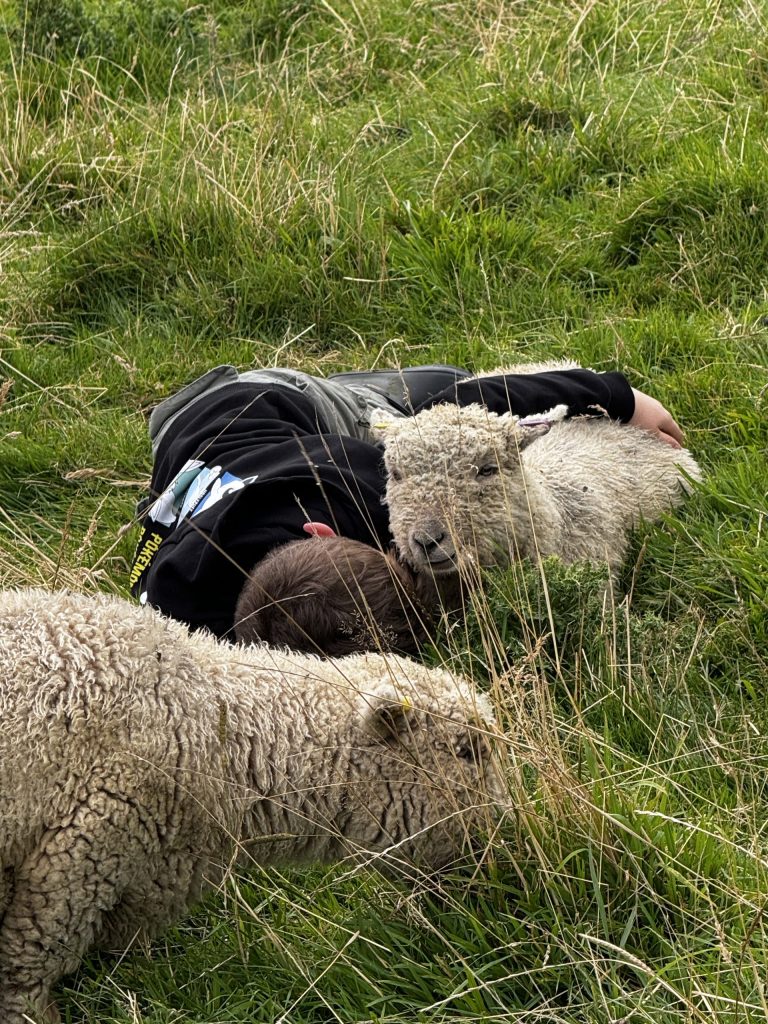
- Temperament — calm, docile and easy to handle, which is a large part of the appeal.
- Grazing — short enough to graze beneath vines and fruit trees without reaching the crop, which has made them a favourite in vineyards and orchards.
Keeping them
Their size makes them well suited to small acreage, and a paddock that would look bare with larger sheep on it will carry a handful of Babydolls comfortably. They are hardy, efficient grazers and straightforward to handle, which makes them a gentle introduction to keeping sheep. Like any sheep they need shearing once a year, regular foot checks and sound fencing, and like any flock they do far better with company than alone.
The flock
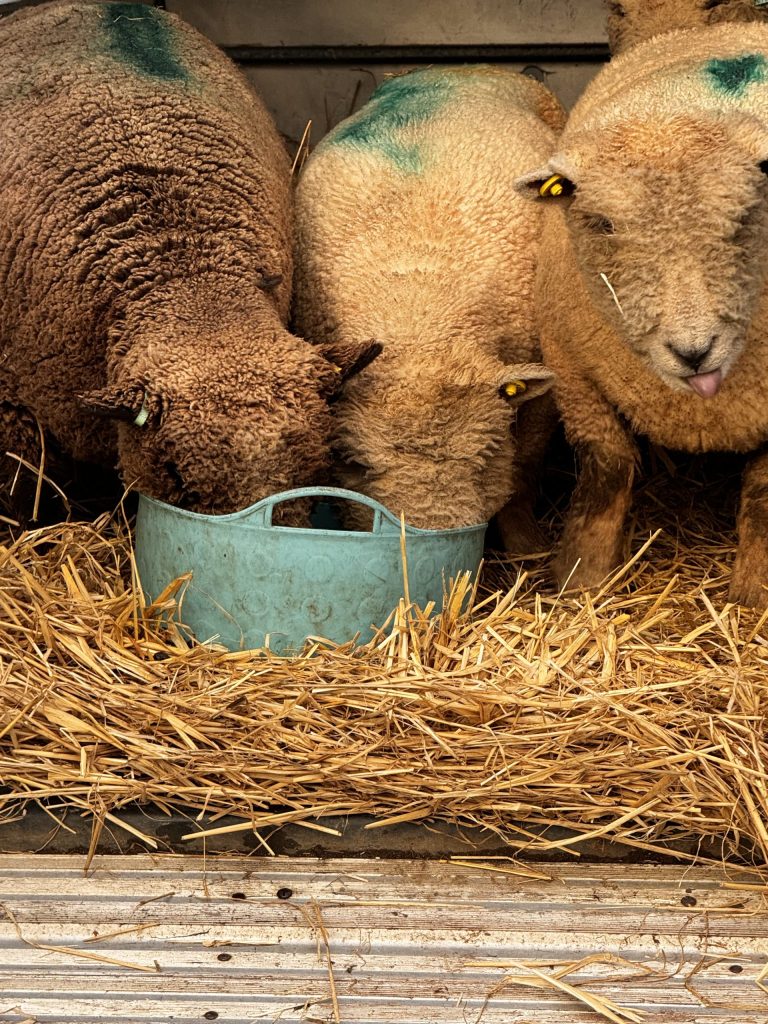
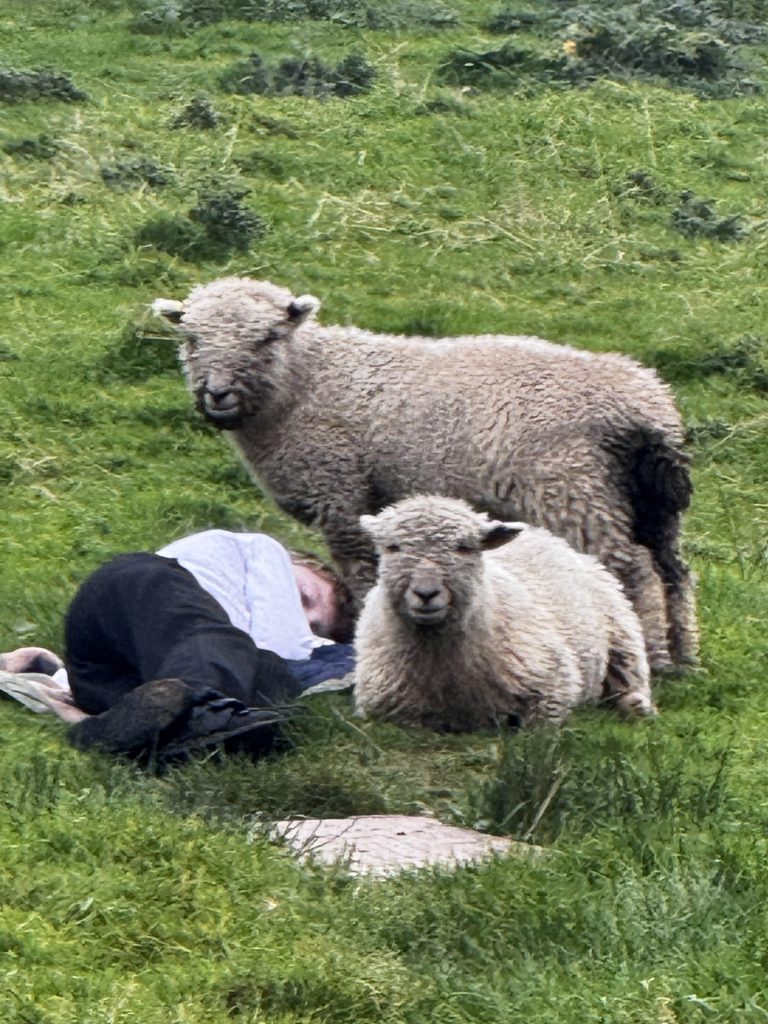
A few pictures from around the field.